HH8821

For wellness brands, distributors, and private-label businesses, choosing an electric cupping product requires more than comparing appearance and features. Consistent suction, reliable heating, stable vibration, battery performance, and durable construction all influence product quality and customer satisfaction.
An electric cupping massager combines electronic controls with a vacuum mechanism to create adjustable negative pressure. Some models also integrate heating and vibration functions. Before placing a bulk order, buyers should verify that these functions operate consistently and that the product meets the specifications agreed upon with the manufacturer.
This guide explains how to evaluate an electric cupping device, establish a practical quality inspection process, and assess the electric cupping machine HH8821 for OEM, wholesale, and product sourcing projects.
Electric cupping devices combine mechanical, electrical, and thermal components in one product. A problem in any subsystem can affect the overall user experience.
For example, an unstable vacuum pump may produce inconsistent suction, while poor temperature control can affect heating performance. Battery degradation, loose connections, or inadequate sealing may also reduce product reliability over time.
For buyers evaluating a professional cupping machine, quality testing should focus on measurable performance rather than the number of functions advertised.
Important evaluation areas include:
Suction consistency and adjustment response.
Heating performance and temperature control.
Vibration operation and consistency.
Battery runtime and charging behavior.
Cup sealing and connection integrity.
Housing durability and control reliability.
Packaging, labeling, and accessory completeness.
A documented testing process helps buyers compare suppliers objectively and reduces the risk of receiving products that differ from approved samples.
Suction is the core operating function of an electric cupping device. However, maximum suction alone does not establish product quality. Buyers should also assess how consistently the device generates and maintains negative pressure across its intended operating settings.
Operate the device at each available suction setting and observe whether the adjustment produces a consistent, repeatable change in performance.
The control should respond as specified, and transitions between settings should not cause unexpected interruptions or abnormal operating behavior.
The cup must form a suitable seal against the intended test surface for the vacuum system to operate correctly.
During evaluation, check whether suction can be maintained under consistent test conditions. Repeat the test using the approved test procedure to identify inconsistent sealing, air leakage, or connection problems.
Run repeated tests using the same settings and test conditions. Record the results and compare them against the manufacturer's specifications.
A suitable electric cupping massager should meet its documented performance requirements across the agreed sample set. Acceptance thresholds should be defined before testing rather than established after the results are known.

Some electric cupping products combine negative pressure with heating and vibration. These additional functions introduce further quality-control requirements.
Buyers should evaluate temperature consistency, heating response time, control accuracy, and the effectiveness of protective functions.
Testing should verify that the device operates within its specified temperature range and responds appropriately to its control settings. Where relevant, repeated operation should be included to assess whether heating performance remains consistent.
Thermal testing should use suitable measurement equipment and follow the product's documented test procedure. A warming sensation during a short demonstration is not sufficient evidence of reliable temperature control.
Vibration testing should examine whether the function starts, operates, and stops correctly at the available settings.
Inspect for abnormal noise, excessive vibration, loose components, or inconsistent operation. If the device supports independent control of suction, heating, and vibration, verify each function separately before testing combined operating modes.
For a professional cupping machine, testing the functions individually and together helps identify issues that might otherwise be overlooked during a brief product demonstration.
Battery-powered cupping devices should be assessed under realistic operating conditions rather than relying exclusively on the runtime stated in marketing materials.
A practical evaluation should include:
Confirming that the battery charges according to the product specification.
Measuring runtime under a defined operating mode and test condition.
Checking charging indicators and low-battery notifications, where provided.
Inspecting the charging port, cable, and electrical connections.
Verifying applicable electrical and battery safety requirements for the destination market.
Runtime can vary depending on suction intensity, heating, vibration, battery condition, and operating temperature. Buyers should therefore record the exact test conditions when comparing samples.
Compliance documentation should also be checked against the specific product model and intended market. Do not assume that documentation for one configuration automatically covers every variation.
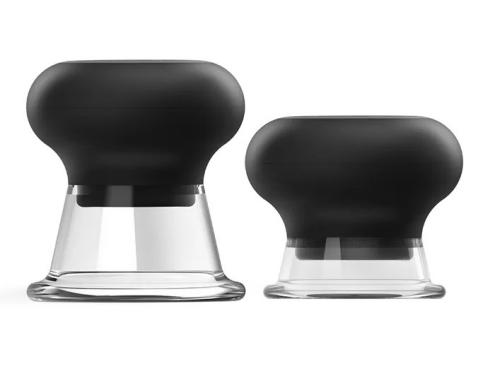
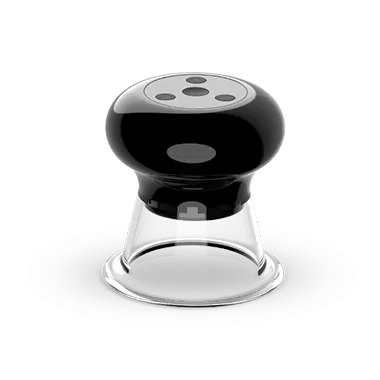
HoHiTEC's electric cupping machine HH8821 combines three operating functions: negative pressure, heating, and vibration. Its product page also presents a two-cup configuration, making it a useful model for evaluating a multifunctional electric cupping product.
Buyers can review the electric cupping machine HH8821 and assess the following during sample evaluation:
| Evaluation area | What to verify |
|---|---|
| Negative pressure | Suction adjustment, sealing, and repeatability |
| Heating | Temperature behavior and control consistency |
| Vibration | Operating stability and abnormal noise |
| Cup assembly | Fit, sealing surfaces, and connection integrity |
| User controls | Clear operation and consistent response |
| Battery and charging | Performance against documented specifications |
| Product finish | Housing quality, assembly, and surface defects |
| Packaging | Correct accessories, labels, and protective materials |
These are recommended evaluation criteria, not a claim that the model has passed a particular independent test. Buyers should request the applicable technical specifications and test documentation before making purchasing decisions.
For distributors planning a professional cupping machine product range, sample evaluation should be followed by an agreed pre-shipment inspection procedure and confirmation of the final production configuration.
A reliable quality-control process should cover incoming materials, production assembly, functional testing, and finished-product inspection.
Before bulk production, buyers should approve a reference sample and document its key specifications. The manufacturer should then use these requirements as the basis for inspection.
A practical checklist includes:
Appearance and assembly quality.
Suction function and control response.
Heating and vibration operation.
Battery charging and basic electrical checks.
Cup fit and sealing performance.
Packaging, accessories, labels, and manuals.
Required compliance documents.
Sample size, defect classification, and acceptance criteria.
For larger orders, buyers may also consider durability testing, repeated operating cycles, and checks after charging or thermal stress, where these tests are relevant to the product design.
The inspection plan should specify which tests apply to every unit and which use sampling. Clear acceptance criteria help both parties understand how defects will be recorded and resolved.
Start with the core suction function, including adjustment response, sealing performance, and repeatability. Then evaluate heating, vibration, battery operation, and overall construction.
Compare sample performance with documented specifications, conduct repeatable functional tests, review applicable compliance documents, and establish written acceptance criteria before bulk production.
HoHiTEC's product page identifies negative pressure, heating, and vibration functions, along with a two-cup configuration. Buyers should consult the manufacturer for the latest model-specific specifications.
Not necessarily. Critical functional and safety checks should follow the agreed quality plan, while additional inspections may use a defined sampling procedure. The approach depends on product risk, customer requirements, and applicable regulations.
Request product specifications, representative samples, applicable compliance documentation, packaging details, warranty terms, and a written quality inspection plan. Confirm the final production configuration before approving the order.
Selecting an electric cupping massager for wholesale or private-label distribution requires a structured assessment of suction, heating, vibration, battery performance, and product durability. A short demonstration cannot establish long-term reliability or prove compliance with the requirements of a target market.
By testing representative samples, documenting measurable acceptance criteria, and implementing pre-shipment quality checks, buyers can make better-informed supplier decisions. For businesses evaluating the electric cupping machine HH8821 or another professional cupping machine, a clearly defined validation process helps align product performance, manufacturing expectations, and long-term commercial requirements.
NEXT