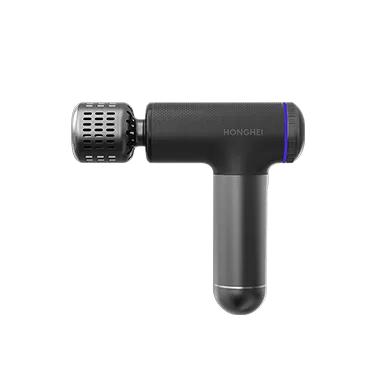
HH8812A

The global demand for muscle recovery and personal wellness products has created new opportunities for fitness brands, distributors, retailers, and private-label businesses. However, launching a successful massage gun product requires more than finding a supplier with an attractive price. Buyers must evaluate product performance, customization capabilities, manufacturing quality, and long-term supply reliability.
Choosing the right massage gun manufacturer can help businesses develop products that match their target market, maintain consistent quality, and build a competitive product portfolio. This guide explains how to evaluate manufacturers, compare OEM and ODM services, and identify the key factors to consider before placing a wholesale order.
A reliable manufacturer should offer more than production capacity. It should understand the buyer's target customers, product positioning, technical requirements, and expectations for long-term cooperation.
When evaluating potential suppliers, consider the following factors:
Product development capabilities: Can the manufacturer support product design, engineering improvements, and sample development?
Performance consistency: Can the supplier demonstrate consistent operation across representative production samples?
Customization options: Are branding, packaging, accessories, and product configurations available?
Quality control: Does the manufacturer have documented inspection and testing procedures?
Supply reliability: Can the supplier communicate production schedules, material availability, and order requirements clearly?
Technical support: Can the supplier assist with product specifications, troubleshooting, and future product improvements?
For businesses planning massage gun wholesale purchases, these capabilities are particularly important because product defects, inconsistent performance, and delivery delays can affect customer satisfaction and retailer relationships.
Instead of comparing suppliers on price alone, buyers should assess the complete value of the manufacturing partnership.

Understanding the difference between OEM and ODM manufacturing helps buyers choose an appropriate development approach.
OEM projects generally involve producing equipment according to the buyer's specifications. Depending on the manufacturer's capabilities, buyers may provide an existing design or define requirements for branding, appearance, components, packaging, and performance.
OEM manufacturing may be suitable for established brands that already have product specifications or want greater control over the final product.
ODM projects generally involve adapting an existing product design or developing a product using the manufacturer's design and engineering capabilities. This approach may reduce the development work required from the buyer, depending on the project's scope.
It can be useful for distributors and emerging brands that want to launch a differentiated product without developing every component from the beginning.
| Evaluation factor | OEM | ODM |
|---|---|---|
| Starting point | Buyer-defined specifications or design | Manufacturer's existing design or development platform |
| Product customization | Based on the agreed project scope | Based on available design and engineering options |
| Development workload | Depends on the completeness of buyer specifications | May reduce the buyer's initial design workload |
| Best-fit situation | Brands with established product requirements | Brands seeking a product development partner |
Before selecting either model, confirm design ownership, tooling costs, customization boundaries, sample approval procedures, and intellectual property arrangements in writing.
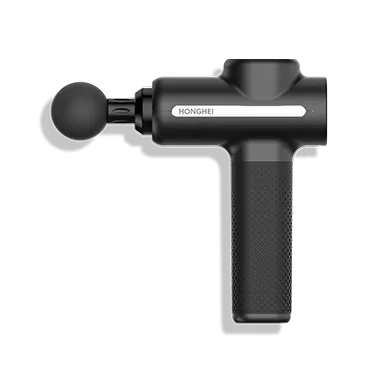
A professional massage gun should be evaluated against its intended application and target user rather than marketing claims alone.
Several technical characteristics deserve attention during supplier assessment.
Motor performance: Ask how the motor performs under the intended operating conditions. Consistency, noise, vibration behavior, and thermal performance are relevant to product quality.
Amplitude and speed settings: Amplitude describes the travel distance of the massage head, while speed settings determine the operating frequency. The appropriate combination depends on the intended product positioning and design.
Battery performance: Evaluate operating time, charging behavior, battery protection, and consistency across representative samples.
Ergonomics: Assess grip comfort, product weight, balance, control placement, and accessibility during use.
Accessories: Check whether interchangeable massage heads are available and whether their materials, attachment mechanisms, and intended applications are clearly specified.
Noise and heat: Test the product under representative operating conditions to identify excessive noise, abnormal vibration, or overheating.
Buyers should request product specifications and sample testing rather than relying solely on advertised performance figures. Any numerical claims used in product listings should be supported by appropriate testing.
Customization allows brands to create products that align with their market positioning, visual identity, and distribution strategy.
A capable massage gun manufacturer may offer several types of customization, depending on the product platform.
Branding: Logo placement, product labeling, and agreed brand presentation.
Appearance: Selected colors, surface finishes, and housing design options.
Packaging: Retail boxes, instruction manuals, inserts, and branded packaging.
Accessories: Compatible massage heads and other supported product accessories.
Product configuration: Available speed settings, battery options, charging accessories, and other features supported by the design.
Product development: Engineering changes or new designs where the project scope and technical feasibility permit them.
Not every option is available for every model. Buyers should confirm which changes require new tooling, additional testing, longer lead times, or minimum order quantities.
Before committing to a large order, buyers should establish a clear product approval and quality control process.
1. Define the product requirements. Document the intended market, product configuration, performance expectations, packaging, and applicable compliance requirements.
2. Request representative samples. Evaluate the product's operation, ergonomics, noise, battery performance, and overall finish.
3. Establish acceptance criteria. Agree on measurable inspection requirements and the procedures used to determine whether a sample or production batch passes.
4. Confirm compliance documentation. Identify the regulations and certifications applicable to the destination market and the specific product configuration. Do not assume that one certificate covers every market.
5. Review production inspection procedures. Confirm how incoming materials, in-process production, and finished products are checked.
6. Approve the final production sample. Use an approved reference sample and written specifications to reduce the risk of unapproved changes during mass production.
For massage gun wholesale projects, these steps help buyers establish clearer expectations and reduce avoidable disputes concerning product quality and delivery.
A manufacturer typically operates or manages production processes, while a trading company primarily coordinates sourcing and sales. Buyers should verify the supplier's actual production capabilities, quality control arrangements, and responsibilities before placing an order.
Many manufacturers offer private-label options, including logo application, packaging customization, and selected product configurations. Available options, minimum order quantities, and development costs vary by supplier and model.
Evaluate motor performance, speed settings, noise, battery operation, ergonomics, accessories, and overall product quality. Testing should reflect the product specifications and intended market.
Compare product performance, customization capabilities, quality control, production capacity, communication, lead times, and total project costs rather than focusing exclusively on unit price.
Provide your target market, expected order quantity, product preferences, branding requirements, packaging specifications, desired features, and destination-market compliance requirements. This helps the supplier assess feasibility and prepare a more relevant proposal.
Selecting the right massage gun manufacturer is an important step in building a successful wellness product business. Buyers should evaluate product performance, customization capabilities, manufacturing quality, and supply reliability before committing to a long-term partnership.
For brands and distributors planning massage gun wholesale purchases, a structured OEM/ODM process helps align product specifications, quality expectations, and market positioning. By testing samples, documenting acceptance criteria, and confirming customization and compliance requirements, businesses can make more informed purchasing decisions and develop a competitive professional massage gun product line.