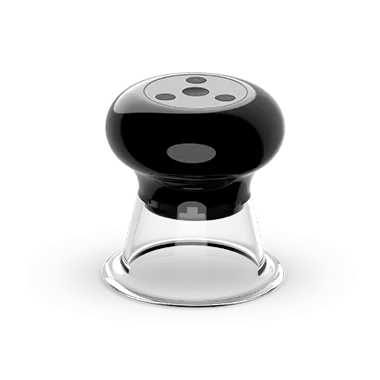
HH902

The pelvic floor muscles play a crucial role in supporting the bladder, uterus, prostate, and bowel. Strengthening these muscles is not only vital for postnatal recovery and preventing incontinence but also for improving sexual health and core stability. Using a pelvic floor trainer correctly ensures that these muscles are engaged effectively, leading to faster and safer results. Many people wonder “pelvic floor trainer how to use” and often make mistakes that reduce the effectiveness of their workouts. This guide will explore proper techniques, recommended frequency, and common pitfalls while providing tips for both beginners and advanced users.
Consistent pelvic floor training can also help reduce lower back pain, improve posture, and support overall pelvic health, which is particularly important for aging adults and postpartum women. By understanding how to engage these muscles correctly, users can experience long-term benefits in everyday activities, such as lifting, bending, and core stabilization.
A pelvic floor trainer, sometimes called a Kegel trainer, is a device designed to help you engage and strengthen the pelvic muscles more efficiently than manual exercises alone. Many trainers provide feedback through sensors, vibration, or app-guided programs, allowing users to monitor contraction strength and track progress.
1. Improves bladder and bowel control
2. Supports postnatal recovery
3. Enhances sexual function
4. Increases core strength and stability
5. Helps prevent pelvic organ prolapse
In addition, using a trainer can increase awareness of your pelvic muscles, which is particularly useful for people who have difficulty identifying and engaging these muscles during manual exercises. This heightened awareness helps create a more consistent and effective training habit.
Correctly understanding how to use your device ensures safety and maximizes benefits. It answers common questions such as “pelvic floor trainer how to use for beginners” and “how to properly use a pelvic floor trainer.”
Modern pelvic floor trainers often come with multiple modes:
1. Beginner Mode: Low-intensity vibration to help identify the pelvic muscles
2. Intermediate Mode: Moderate intensity for strengthening
3. Advanced Mode: High intensity for targeted training and advanced users
Begin with the beginner mode to avoid overstraining your muscles. Gradually increase intensity as your control and strength improve.
Many trainers also include visual or auditory feedback to guide the user. For instance, some apps display contraction strength or provide vibration cues when it’s time to contract or release, which is particularly helpful for beginners or those recovering from childbirth or surgery.
Proper positioning is essential to ensure effectiveness and comfort:
1. Sit comfortably on a chair, lie down, or stand with feet hip-width apart.
2. Insert the device according to manufacturer instructions.
3. Ensure sensors are aligned to detect muscle contractions accurately.
4. Maintain a neutral spine and relaxed shoulders.
Avoid slouching or tensing other muscles such as the glutes or abdomen unnecessarily. Proper alignment ensures that only the pelvic floor muscles are engaged, leading to more efficient training and reducing the risk of strain or discomfort.
A structured exercise session is key to success:
1. Contract the pelvic floor muscles for 5–10 seconds.
2. Release slowly and relax for the same duration.
3. Repeat 10–15 times per set.
4. Complete 2–3 sets per day depending on your comfort and goals.
5. Focus on controlled contractions rather than speed.
6. Breathe naturally, exhaling during contraction and inhaling during relaxation.
For advanced users, variations such as “pulsed contractions” or holding at different intensities can further challenge the pelvic floor muscles and stimulate greater strength development. Incorporating short pauses between contractions allows the muscles to recover and adapt, promoting long-term improvements.
The frequency of use depends on your goals, physical condition, and experience:
1. Beginners: 3–4 times per week, short sessions of 5–7 minutes
2. Intermediate Users: 5 times per week, sessions lasting 8–12 minutes
3. Advanced Users: Daily or twice daily, 10–15 minutes per session
By following this schedule, you can answer questions such as “pelvic floor trainer how often to use” and prevent overtraining. It’s important to listen to your body; mild soreness is normal, but sharp pain indicates you should reduce intensity or take a break.
Keep a journal or app log to track your sessions and note any changes in strength or endurance. Regular tracking not only motivates you but also helps identify which modes and intensities produce the best results for your specific needs.
Although the pelvic floor is the primary focus, a comprehensive routine can incorporate surrounding muscles for better results:
Engaging the transverse abdominis along with pelvic muscles increases core stability. Perform gentle contractions while using the trainer to synergize with abdominal muscles.
Contracting the glute muscles during training enhances pelvic alignment and prevents lower back strain.
Incorporate gentle lower back stretches or light contractions to improve overall core strength and maintain correct posture.
Users may also integrate standing exercises with the trainer to activate stabilizing muscles throughout the body, such as hip flexors and obliques. This comprehensive approach improves overall balance and functional strength, extending the benefits of pelvic floor training into daily life.
Even with a trainer, mistakes can limit effectiveness:
1. Using the wrong intensity: Starting too high can strain muscles.
2. Neglecting relaxation: Proper rest between contractions is critical.
3. Incorrect positioning: Misalignment of the device reduces accuracy.
4. Skipping sessions: Consistency is essential for long-term benefits.
5. Ignoring feedback: Most trainers provide guidance; following it ensures proper engagement.
Correcting these mistakes helps users gain the maximum benefit from their pelvic floor trainer.
Some users overcompensate by tensing adjacent muscles, like the thighs or glutes. Avoid this by focusing only on pelvic floor contractions, ensuring that the exercise remains targeted and effective.
1. Yoga or Pilates: Strengthen supporting muscles while performing pelvic floor training.
2. Glute bridges: Enhance pelvic muscle activation.
3. Core strengthening: Use planks and controlled abdominal movements in combination with your trainer.
Modern trainers provide real-time feedback, showing contraction strength, duration, and progress. Use these features to gradually increase intensity and track improvements.
Consistent and correct use of a pelvic floor trainer can:
1. Improve posture and balance
2. Support long-term bladder and bowel control
3. Enhance sexual health and satisfaction
4. Reduce risk of pelvic organ prolapse in women
5. Help with recovery after childbirth or surgery
Postnatal Women: Start with beginner mode, 5 minutes daily, gradually increase to 10–12 minutes.
Men with Prostate Health Concerns: Use moderate intensity, focus on controlled contractions, 2–3 sets daily.
Athletes: Integrate with core workouts and glute activation, 10–15 minutes per session, 5–6 days per week.
When selecting a trainer, consider:
1. Ergonomic design for comfort
2. Multiple intensity levels for progression
3. Biofeedback or app integration for tracking
4. Safe, body-friendly materials
5. Rechargeable battery for convenience
Hohitec models provide all these features, making them suitable for home use, professional therapy, or guided fitness programs.
Look for devices with additional guided programs or app-controlled routines, which are especially helpful for beginners who need step-by-step instruction. Devices that include visual or auditory cues help maintain proper timing and contraction length, ensuring maximum effectiveness.
Using a pelvic floor trainer effectively requires proper technique, consistency, and the right device. Hohitec’s professional pelvic floor trainers combine ergonomic design, guided programs, multiple intensity levels, and reliable biofeedback to help users achieve better results safely.
Beyond pelvic floor trainers, Hohitec offers a wide range of wellness products, including massage guns, cupping devices, and recovery tools. Their products are designed for all users—from beginners to advanced athletes—emphasizing safety, innovation, and comfort. Choosing Hohitec ensures that you have access to scientifically designed, high-quality tools that support your health, recovery, and overall wellness.
Explore the full product range here: Professional Pelvic Floor Trainer – Hohitec.