HH8527

For many decades, the white cane has been the universal symbol of independence for individuals who are blind or visually impaired. It helps detect obstacles, orient direction, and maintain stability while walking. However, with the growth of urban environments and the demand for safer mobility, traditional canes have shown limitations. This is where technology has stepped in, transforming the conventional cane into a smart walking stick for visually impaired persons.
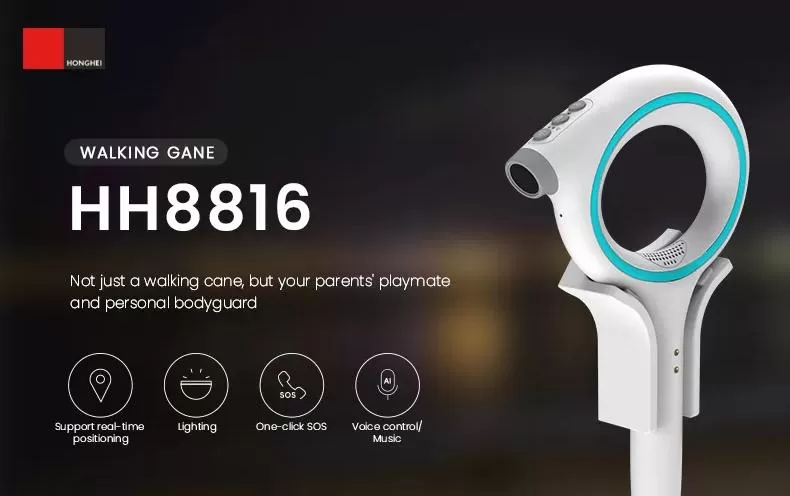
A smart cane for blind people integrates sensors, GPS systems, and communication features to make mobility safer and more intuitive. By combining modern electronics with an age-old tool, these devices empower users with greater independence. One such innovation is the HH8816 Smart Walking Cane from Hohitec, a product that exemplifies the power of assistive technology.
A smart cane for the blind is more than a mobility aid. It integrates electronics, sensors, and smart technologies to detect obstacles, provide navigation, and even send alerts in emergencies. Unlike traditional canes, a sensor walking stick for blind users can analyze the environment in real time, helping individuals avoid hazards that might otherwise go unnoticed.
Although traditional canes remain useful, they primarily detect obstacles at ground level. This means overhead barriers, sudden objects, or complex urban layouts can pose risks. A smart cane for visually impaired persons addresses these limitations by combining tactile feedback with audio or vibration alerts, creating a comprehensive navigation solution.
Modern electronic canes for the blind rely on ultrasonic or infrared sensors to detect objects. These sensors identify barriers both at ground and upper-body level, sending vibration signals to the user. This electronic walking stick for blind people minimizes accidents and enhances confidence while moving independently.
The addition of GPS technology transforms a walking stick into a GPS cane for the blind. With real-time location tracking, users can navigate unfamiliar areas, while caregivers gain peace of mind knowing they can monitor movements. The GPS walking cane for the blind is particularly useful for outdoor activities and urban travel.
An intelligent walking stick for blind projects often includes an SOS button or automatic fall detection. When triggered, it sends alerts to pre-set contacts, ensuring timely help. This makes the device not just a mobility aid, but a lifeline during emergencies.
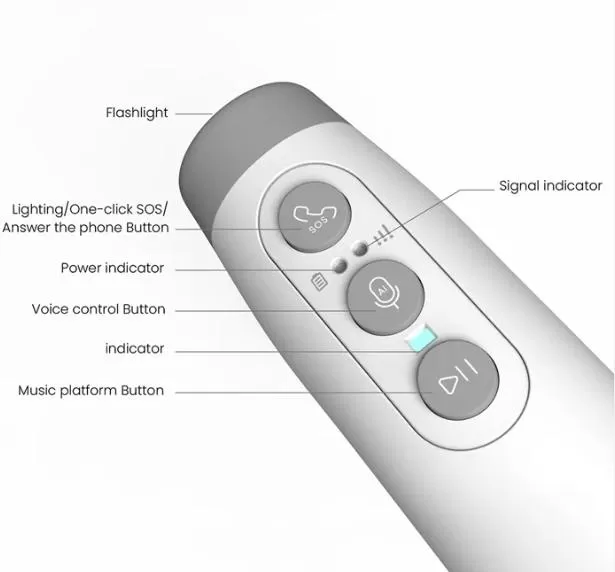
A smart walking stick for blind persons is lightweight, foldable, and designed for long-term comfort. By integrating intuitive buttons and non-slip handles, it ensures both usability and safety for daily use.
Universities and research institutions are driving innovation with smart cane for blind projects. These projects experiment with artificial intelligence, machine learning, and IoT integration, proving that the smart walking stick for blind projects are vital stepping stones to more advanced solutions.
What once began as academic exploration has now translated into practical devices like the HH8816. The transition from intelligent walking stick for blind projects to commercial products demonstrates growing demand and widespread acceptance.
With features like sensor walking sticks for blind people, users avoid collisions and feel safer crossing streets or walking in crowded spaces.
The smart cane for visually impaired gives users confidence to travel alone, reducing reliance on others and promoting social participation.
The GPS walking stick for the blind helps families and caregivers stay connected with users. This connectivity fosters reassurance while maintaining personal freedom.
While it is easy to list the technical features of a smart cane for the blind, its true value becomes evident when we look at how people use it in daily life. The smart walking stick for visually impaired persons is not a gadget for occasional use—it is a reliable companion that supports mobility across diverse environments.
In modern cities, streets are filled with vehicles, bicycles, and pedestrians moving at high speed. A GPS walking stick for the blind enables users to follow safe routes while avoiding unexpected obstacles such as construction barriers or parked scooters. Obstacle sensors alert the user, while GPS navigation ensures that they reach their destinations efficiently.
For many visually impaired persons, buses and subways are intimidating. Crowded stations, multiple exits, and confusing layouts make navigation difficult. With a smart cane for blind people, these challenges become manageable. The device can signal upcoming steps, provide directional feedback, and even allow caregivers to track progress in real time.
Not all challenges occur outdoors. Inside homes or community centers, unexpected furniture placement or unfamiliar layouts can pose risks. The electronic walking stick for blind people reduces accidents by detecting obstacles at both low and high levels. This function is particularly useful for seniors with partial vision who want to remain active at home without constant supervision.
Although originally designed for fully blind users, the smart walking stick for blind persons has proven equally valuable for elderly individuals experiencing gradual vision loss. The combination of traditional support with smart alerts bridges the gap between mild visual impairment and total blindness. It provides reassurance that independence can continue, even as eyesight weakens.
Through these applications, the intelligent walking stick for blind projects demonstrates that technology is not about replacing human ability but enhancing safety, confidence, and freedom in daily life.
The HH8816 Smart Walking Cane integrates advanced obstacle detection, GPS navigation, and SOS alert systems. Its sleek design proves that practicality and modern aesthetics can coexist.
This smart cane for blind people balances technology with simplicity, ensuring seniors and visually impaired persons can operate it easily. The cane’s electronic features are discreet yet powerful, delivering confidence without complexity.
With rapid advancements in AI, IoT, and miniaturized sensors, the future of electronic walking sticks for the blind is promising. Features such as voice-guided navigation, real-time traffic updates, and smart city integration could soon redefine what independence means for the visually impaired community.
The evolution of the smart walking stick for visually impaired persons represents a milestone in inclusive design. From sensor walking sticks for the blind to GPS canes for blind people, these tools combine engineering and empathy, addressing real challenges faced by millions worldwide.
The evolution from traditional canes to smart canes for the blind highlights how technology can transform lives. By offering safety, independence, and connectivity, the smart walking stick for visually impaired persons represents a true leap forward in accessibility.
Hohitec has emerged as a leading developer of smart mobility and healthcare solutions. With expertise in electronic design and commitment to user-friendly innovation, Hohitec delivers products like the HH8816 Smart Walking Cane, which embody the company’s dedication to improving quality of life for visually impaired and elderly individuals.
Beyond smart canes, Hohitec’s product portfolio covers a wide range of assistive technologies, healthcare electronics, and smart devices tailored for global markets. By prioritizing quality, safety, and user-centered design, Hohitec continues to push forward the mission of making technology accessible to all.
For more details on the HH8816 and other innovative products, visit Hohitec’s official website.
NEXT