HH8016

Pelvic organ prolapse is a common yet often under-discussed women’s health condition. It occurs when weakened pelvic floor muscles and ligaments allow the bladder, uterus, or rectum to drop into the vaginal canal. While it can feel overwhelming, the good news is that pelvic organ prolapse prevention is possible with the right knowledge, habits, and support tools.
This guide explores the causes of prolapse, strategies to prevent pelvic organ prolapse, and practical steps on how to avoid pelvic prolapse through daily habits, exercise, and modern wellness products.
Pelvic organ prolapse happens when the muscles and tissues that support the pelvic organs become stretched or weakened. Depending on severity, women may experience pressure, discomfort, urinary leakage, or difficulty with physical activity.
1. Pregnancy and childbirth – Stretching of pelvic tissues during delivery is a leading cause.
2. Aging and menopause – Hormonal changes reduce muscle elasticity.
3. Heavy lifting – Repeated strain can weaken pelvic support.
4. Chronic coughing or constipation – Increases abdominal pressure over time.
5. Genetic factors – Some women naturally have weaker connective tissues.
Understanding these risks is the first step toward preventing prolapse effectively.
Unchecked prolapse can lead to urinary incontinence, pain, and discomfort during sex, as well as reduced mobility. Knowing how to prevent pelvic organ prolapse can help women live more freely and confidently.
Taking steps early not only helps in preventing prolapse but also reduces the need for invasive surgeries later in life. Prevention is both cost-effective and empowering.
Targeted exercises, like Kegels, are crucial in preventing prolapse. These movements contract and relax the muscles that support pelvic organs, building resilience over time.
Tip: Use digital apps, resistance tools, or biofeedback devices for effective tracking.For women seeking extra support, wellness brands now provide specialized trainers designed for prevention of pelvic organ prolapse.
Excess weight increases pressure on the pelvic floor. A balanced diet and regular exercise are simple yet powerful ways to prevent pelvic prolapse.
When lifting heavy objects, always bend at the knees and engage the core. Poor posture or improper lifting can weaken pelvic support and undo progress in preventing prolapse.
1. Constipation: Straining during bowel movements puts stress on pelvic tissues. Adequate fiber and hydration reduce this risk.
2. Coughing: Treating respiratory issues can help lower abdominal pressure.
For women experiencing menopause, hormone therapy or topical estrogen (under medical supervision) can improve muscle tone and play a role in how to prevent pelvic floor prolapse.
High-impact activities like jumping or heavy weightlifting may increase prolapse risk. Instead, focus on low-impact workouts such as swimming, yoga, or cycling. These strengthen the body without straining the pelvic floor.
A diet rich in vitamins, minerals, and protein supports tissue repair and muscle function. Good nutrition is an overlooked yet vital aspect of how to prevent vaginal prolapse naturally.
Stress often manifests physically, including pelvic muscle tension. Mind-body practices like meditation, Pilates, or deep breathing help relax and strengthen pelvic health simultaneously.
Childbirth is a major factor in pelvic organ health. Postpartum women can take steps to prevent pelvic organ prolapse by:
1. Starting gentle Kegel exercises within weeks of delivery (with medical clearance).
2. Avoiding heavy lifting or strenuous exercise until recovery is complete.
3. Using postpartum support devices that guide pelvic floor strengthening.
These proactive habits are critical in preventing prolapse and maintaining long-term wellness.
Innovative wellness products, such as smart Kegel trainers, biofeedback machines, and incontinence exercise tools, are reshaping the way women care for their pelvic floor. These devices make it easier to track progress, adjust intensity, and achieve consistent results in pelvic organ prolapse prevention.
Some devices connect with mobile apps, allowing users to measure improvements, follow guided workouts, and stay motivated. This smart approach shows women exactly how to avoid pelvic organ prolapse with structured, measurable routines.
While self-guided exercises and incontinence exercise products are valuable for everyday care, some women benefit from professional pelvic floor physical therapy. This specialized treatment is designed to provide targeted guidance, address underlying issues, and offer tailored prevention plans for pelvic organ prolapse.
What Is Pelvic Floor Therapy?
Pelvic floor therapy involves working with a trained physical therapist who uses a combination of manual techniques, guided exercises, and modern tools such as biofeedback machines. These sessions strengthen weak muscles, release tension, and improve coordination, offering women a deeper understanding of how to prevent vaginal prolapse naturally and safely.
Benefits of Professional Therapy
1. Personalized Evaluation – Therapists assess individual conditions, including muscle weakness, scar tissue, or chronic pain.
2. Guided Training – Women receive structured instruction on performing pelvic exercises correctly, reducing the risk of ineffective or harmful practices.
3. Integration of Technology – Many clinics use incontinence exercise machines that provide real-time biofeedback, ensuring progress is measurable and effective.
4. Holistic Support – Beyond exercises, therapy may address posture, breathing techniques, and lifestyle modifications that contribute to long-term prevention of prolapse.
When to Consider Therapy
1. After childbirth recovery, especially in women with noticeable pelvic weakness.
2. During menopause, when hormonal changes impact muscle elasticity.
3. For women experiencing early signs of prolapse or urinary leakage.
By combining in-home pelvic exercise tools with professional therapy sessions, women gain a comprehensive strategy for preventing prolapse and maintaining strong pelvic health at every stage of life.
Early awareness of how to prevent pelvic prolapse helps establish lifelong healthy habits, reducing risks later.
Dedicated pelvic recovery programs, combined with support tools, make a big difference in prevention of pelvic organ prolapse.
At this stage, consistent maintenance is key. Tools, exercises, and hormone support all contribute to how to prevent pelvic organ prolapse effectively.
For women wondering how to avoid pelvic organ prolapse and seeking reliable tools to support their health journey, selecting the right wellness partner is essential.
Hohitec, a trusted manufacturer of advanced health and wellness devices, offers expertise across multiple product categories, including:
1. Kegel Trainers – supporting pelvic floor strength and prolapse prevention.
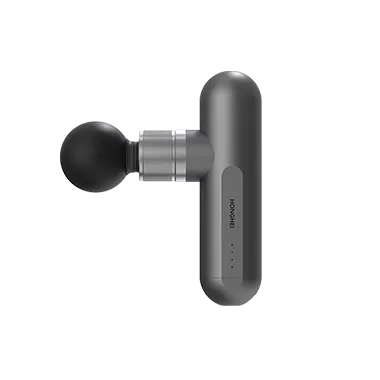
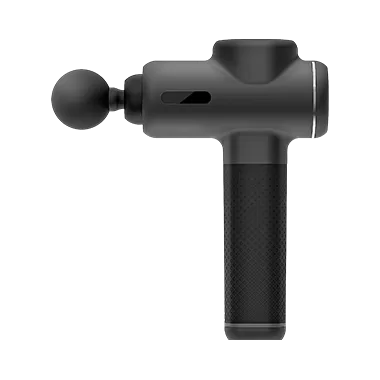
2. Massage Guns & Cupping Devices – promoting recovery and circulation.
3. Smart Walking Canes & Pill Dispensers – designed for elderly care and rehabilitation.
4. Fitness Equipment – such as indoor cycles for safe, low-impact exercise.
With a focus on innovation, safety, and user-friendly design, Hohitec provides effective solutions for prevention of pelvic organ prolapse and overall pelvic health. Whether for postpartum recovery, menopause support, or lifelong wellness, Hohitec’s product range empowers women to take control of their health.
Explore more health and wellness products here: Hohitec Product Catalog
NEXT