HH8503

Percussion therapy has become one of the most popular recovery methods for athletes, office workers, and wellness enthusiasts alike. With the rise of portable devices like percussion guns, anyone can now enjoy professional-grade muscle relaxation at home. But a common question remains: how to use a percussion gun correctly and get the most out of your sessions? This guide will walk you through everything you need to know, including usage techniques, safety tips, and best practices.
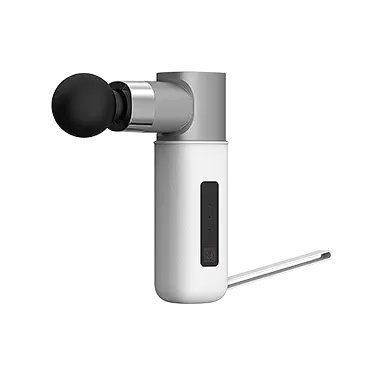
A percussion gun (also known as a percussion massager or percussive therapy device) delivers rapid pulses of pressure into muscle tissues. These repetitive strikes improve circulation, reduce soreness, and enhance recovery. Unlike traditional massage, percussive therapy penetrates deeper into soft tissues, making it especially effective for athletes and those recovering from intense workouts.
Understanding how to use percussion massager on yourself ensures both safety and maximum effectiveness.
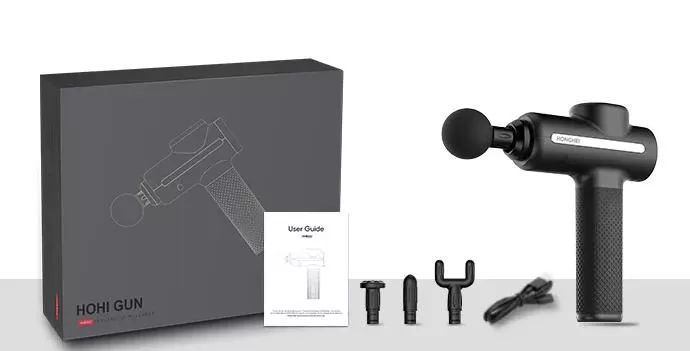
Percussion guns usually come with multiple heads, each designed for a specific purpose:
1. Round head for large muscles like quads and calves
2. Bullet head for precision targeting such as trigger points
3. Flat head for versatile use across arms, back, and shoulders
If you are new to percussive therapy, start with the lowest speed setting. This helps your muscles adapt gradually without causing discomfort.
Hold the percussion gun about one inch above the skin and let the device do the work. Glide it slowly across the target muscle group, spending 1–2 minutes per area.
Relax your body during the session. Controlled breathing enhances relaxation and improves circulation while you use the percussion massager.
Before exercise, spend 30–60 seconds on major muscle groups to boost circulation and prime your body for movement.
For recovery, target sore or fatigued muscles for 1–2 minutes each. This helps reduce lactic acid buildup and prevents stiffness.
Office workers or people with sedentary lifestyles can use percussion guns daily on the neck, traps, and lower back to release tension caused by long hours of sitting.
Runners: Massage calves, hamstrings, and quads after long runs to prevent shin splints and reduce DOMS.
Tennis or Golf Players: Focus on forearms, shoulders, and traps to ease repetitive strain injuries.
Lymphatic Drainage: Use gentle upward strokes from extremities toward the torso to promote lymph flow and reduce water retention.
Cellulite Care: Light, circular motions on thighs and glutes help stimulate circulation and improve skin tone.
Targeting Specific Muscle Groups with a Percussion Gun
Understanding how to use percussion gun on different muscle groups is essential for achieving the best recovery results. Each part of the body responds differently to percussive therapy, and adjusting your technique ensures both safety and effectiveness.
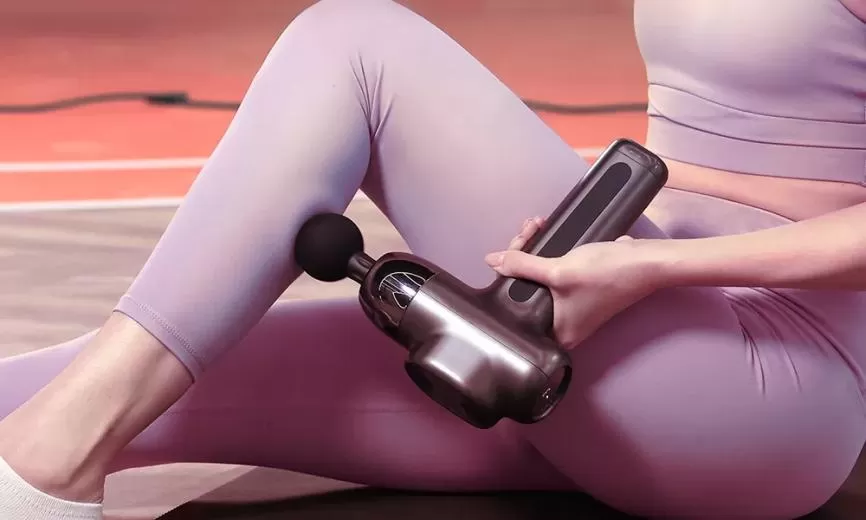
The quads and calves are among the most common areas treated with a percussion massager. To use the device properly, glide it slowly across the length of the muscle for 1–2 minutes. This helps runners and athletes improve blood flow, ease stiffness, and speed up recovery after high-intensity training.
If you want to know how to use percussion massager on yourself for arm tension, start with the round head attachment. Move gently from the forearm to the biceps and triceps. For shoulders and traps, avoid pressing directly on bones; instead, let the device hover slightly over tight areas to release knots and tension from desk work or weight training.
Back muscles can hold significant tension, especially in office workers. To use a percussive massager effectively here, position the device at a comfortable angle or ask a partner for assistance. Focus on the traps, lats, and lower back muscles, but avoid the spine directly.
Although less common, some people ask how to use percussion gun on abdominal muscles. When done at low intensity, short sessions can help stimulate circulation and relieve mild soreness after core exercises. Always use gentle settings and limit treatment time in this sensitive area.
Glutes and Hips: Ideal for people who sit for long hours; use medium intensity with circular motions to relieve tension in the hip flexors and glutes.
Calves and Plantar Fascia: Lightly massage calves and the arch of the foot for runners or people with plantar fasciitis. This improves blood flow and reduces soreness.
Forearms and Biceps: Short sessions using the round head can alleviate tension from typing, weightlifting, or repetitive tasks.
By tailoring your routine to each muscle group, you not only maximize recovery but also learn how to use percussion massager correctly across your entire body.
When using the device on yourself, it’s important to follow best practices:
1. Avoid Bony Areas: Never press directly against bones, joints, or the spine.
2. Short Sessions: Limit each muscle group to 2 minutes to avoid overstimulation.
3. Listen to Your Body: Stop immediately if you feel sharp or unusual pain.
4. Stay Hydrated: Drink water after using the percussion massager to support circulation and recovery.
Even though percussion guns are easy to use, mistakes can reduce their effectiveness:
1. Using Too Much Pressure: Let the device work for you instead of pushing it into the skin.
2. Overusing on One Area: Spending more than 2 minutes per spot may cause irritation.
3. Ignoring Recovery Days: Daily use is safe, but alternating intensity levels prevents fatigue.
To maximize the benefits of your percussion gun, try these strategies:
After percussive therapy, perform light stretching to lengthen muscles and improve flexibility.
Use a heat pack before a percussion massage to relax muscles, or a cold pack afterward to reduce inflammation.
If you have specific knots or tight areas, use the bullet head attachment with short, focused pulses.
Not all percussion massagers are the same. Key features to consider include:
1. Adjustable speed levels for different needs
2. Interchangeable attachments
3. Long battery life for convenience
4. Ergonomic design for self-application
While percussion guns are generally safe, some groups should be cautious:
1. Pregnant women should consult a doctor before use
2. Individuals with cardiovascular issues should avoid prolonged use
3. Avoid use on swollen or injured areas unless approved by a professional
When learning how to use percussion massager correctly, the right technique makes all the difference. From athletes seeking post-training recovery to office workers needing daily relaxation, percussive therapy offers powerful benefits.
At Hohitec, we specialize in designing and manufacturing advanced professional massage guns that combine ergonomic design, customizable attachments, and long-lasting battery life. Our products are built for athletes, physiotherapists, fitness enthusiasts, and everyday users who value both performance and safety.
With a full product line that includes percussion guns, massage devices, and wellness tools, Hohitec has become a leading choice for global customers seeking reliable recovery solutions. Explore our full range here: Professional Massage Gun – Hohitec.