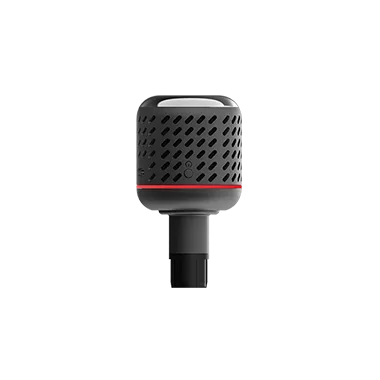
HH8015

Massage guns have revolutionized muscle recovery and relaxation. From professional athletes to office workers, percussion therapy devices offer deep tissue relief, improved blood flow, and faster recovery. However, understanding how to use massage gun attachments, the correct technique, and optimal frequency is key to maximizing benefits while avoiding overuse. This guide covers everything from proper usage, attachment tips, and safety considerations to help you make the most of your massage gun.
In addition to basic muscle relaxation, massage guns can also help improve muscular endurance, stimulate blood circulation, and promote nervous system relaxation. This is especially beneficial for individuals who sit for long periods or engage in high-intensity training. Using a massage gun can also reduce stress and tension, allowing both the body and mind to achieve a relaxed state.
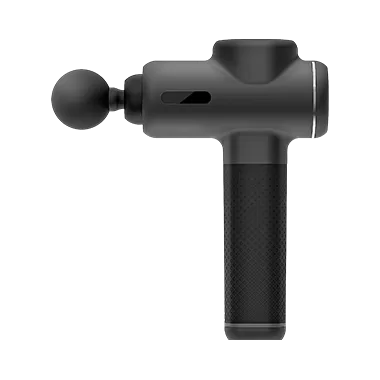
Percussion massagers, also called muscle guns, deliver rapid pulses to muscle tissue. This percussive action helps:
1. Enhance circulation
2. Reduce lactic acid buildup
3. Alleviate muscle stiffness and soreness
Proper understanding of your device answers common questions like “massage gun what does it do” or “percussion massager how to use”, ensuring safe and effective sessions.
Massage guns also help promote lymphatic flow, assisting in the removal of excess fluid and metabolic waste, which can reduce swelling and accelerate recovery. When used on specific areas such as the shoulders, back, legs, and soles of the feet, the device provides targeted pressure to relieve localized knots and soreness.
Each massage gun comes with multiple heads, and knowing massage gun which head to use is crucial:
1. Round head: Large muscle groups like quads and calves
2. Bullet head: Trigger points and small, specific areas
3. Flat head: Arms, back, and shoulders
4. Fork head: Spinal muscles and Achilles tendon
Using attachments correctly ensures effective recovery. For example, if targeting calves, use the round head for 1–2 minutes per area, avoiding bones or joints.
When using different attachments, adjust the pressure and speed according to the body area. For example, the abdominal and core muscles should be treated with low speed and gentle pressure; shoulders and traps with moderate intensity; legs and glutes with medium to high intensity to relieve post-workout tightness. Proper attachment selection reduces injury risks and maximizes recovery effectiveness.
Legs and Quads: Glide slowly along muscles; focus on tension points.
Arms and Traps: Keep gentle pressure, move from shoulders to forearms.
Stomach/Core: Use low intensity for short durations.
Back and Spine: Avoid direct bone contact; target surrounding muscles.
Runners can focus on calves, quads, and iliotibial bands after long runs or interval training. Strength trainers can use massage guns on shoulders, biceps, and back post-resistance exercises to accelerate lactic acid clearance and muscle recovery. Office workers can perform short, gentle massages on neck, traps, and forearms to relieve tension caused by prolonged sitting.
Frequency depends on your activity and recovery goals:
1. Athletes: 1–2 times daily, pre- and post-workout
2. Casual Users: 3–4 times weekly
3. Office Workers: Short daily sessions for neck, traps, and lower back
Spend 30–60 seconds per muscle group before exercise. This improves blood flow, warms tissues, and primes muscles for performance.
Using a massage gun before high-intensity workouts can also activate the nervous system and muscle fibers, enhancing performance and reducing the risk of injury.
1–2 minutes per muscle group helps flush lactic acid, reduce soreness, and prevent stiffness.
Post-workout use can accelerate blood flow to large muscle groups like quads, glutes, back, and calves. Combining massage with stretching further extends muscle fibers and improves flexibility.
For sedentary lifestyles, short 5–10 minute sessions are effective for releasing chronic tension.
Regular use can relieve neck and shoulder stiffness, lower back tightness, and foot fatigue. Paired with deep breathing and light stretching, benefits are maximized.
1. Pressing too hard or on bones
2. Overusing one area (>2 minutes per spot)
3. Ignoring recovery days
4. Using high-intensity settings constantly
1. Pregnant women should consult a doctor
2. Avoid prolonged use for cardiovascular patients
3. Injured or swollen areas should be treated cautiously
Use the bullet head for specific knots, focusing on 15–20 seconds per spot.
1. Stretching post-massage improves flexibility
2. Heat packs before sessions relax muscles
3. Cold therapy post-massage reduces inflammation
Drinking water post-session enhances circulation and supports recovery. For lymphatic drainage and fascia stimulation, use gentle pressure and slow strokes to help drain excess fluid and reduce swelling. Moderate massage on glutes, lower back, and lateral thighs can also improve skin firmness and reduce localized fat buildup.
Massage gun attachment uses are vital for full-body recovery. Understanding massage gun how to use attachments ensures you apply the right pressure and target the correct muscles:
1. Round Head: Large muscles
2. Bullet Head: Trigger points
3. Fork Head: Spine and Achilles
4. Flat Head: Versatile, arms/back
5. Cushion Head: Sensitive areas
For abs and core training, low-intensity, short-duration massage can stimulate blood circulation and relieve soreness. For plantar fasciitis, using the round or bullet head on the soles at low speed can reduce pain and accelerate recovery.
1. High-Intensity Trainers: Twice daily sessions, pre- and post-workout
2. Office Workers: Short, daily sessions for back, neck, traps
3. Beginners & Older Adults: 3–4 times weekly with low intensity
Users should design a flexible schedule based on personal goals. Integrating massage into training, work, and rest cycles ensures safe and effective muscle recovery.
When evaluating a percussion massager:
1. Adjustable speeds
2. Interchangeable heads
3. Ergonomic design
4. Long battery life
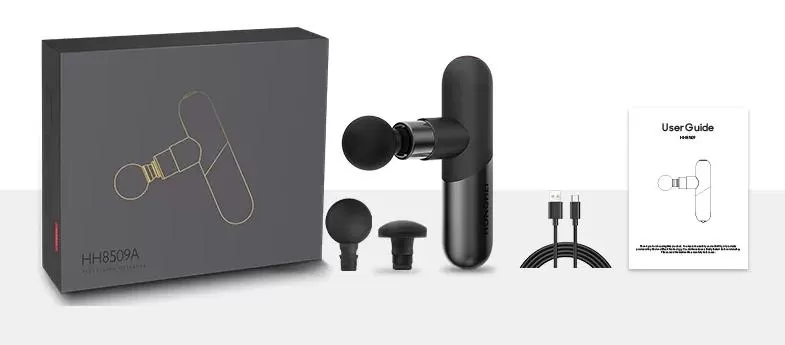
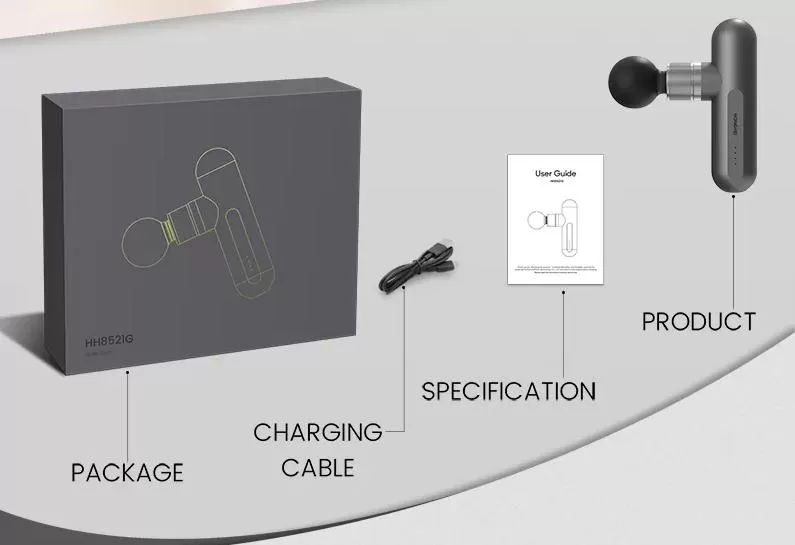
Hohitec models, such as HH8509 and HH8521G, fulfill these requirements, making them suitable for home, gym, or professional use.
Proper massage gun how to use techniques, correct attachment choices, and safe frequency lead to optimal recovery. Hohitec’s professional massage guns are designed for both beginners and advanced users, featuring ergonomic handles, multiple heads, quiet operation, and durable batteries.
Hohitec not only provides professional massage guns but also a full range of wellness and recovery tools, including portable massagers, muscle recovery devices, and home fitness aids. Whether for athletes, office workers, or daily users, Hohitec products enable safe, effective muscle relaxation and recovery, enhancing overall health and quality of life.
Explore the full range here: Professional Massage Gun – Hohitec.