HH8821

Heat is generally more useful before exercise when the goal is to reduce the feeling of stiffness and prepare the body for movement, while cold is more commonly used after activity when temporary soreness or discomfort is the main concern. However, temperature therapy should always be matched to the intended body area and product design rather than applied according to a simple “before versus after exercise” rule.
This distinction becomes particularly important when comparing massage devices with different functions. Percussion massagers, hot-and-cold attachments, cupping devices, and products categorized for male wellness may all include temperature-related features, but they are not automatically interchangeable. Users should first understand whether a device is designed for external muscle recovery, localized relaxation, or another specific wellness application.
Heat and cold create different sensations and are normally selected for different purposes. Controlled warmth can make stiff muscles feel more comfortable and is often used before mobility work or physical activity. Cold, by contrast, can temporarily reduce sensation and may be preferred when soreness or irritation develops after exercise.
The important point is that neither option should be used automatically. An athlete preparing for a workout has a different objective from someone managing temporary post-training soreness, and both situations differ from using a wellness device for general relaxation.
| Situation | Heat | Cold | Primary Goal |
|---|---|---|---|
| Before Exercise | Often useful | Usually unnecessary | Comfort and preparation |
| General Muscle Stiffness | Often preferred | Less commonly needed | Relaxation |
| Temporary Post-Exercise Soreness | May feel relaxing | May temporarily reduce discomfort | Short-term comfort |
| Fresh Minor Irritation | Usually not the first choice | May be more appropriate | Temporary symptom management |
| Severe or Unexplained Pain | Seek professional advice | Seek professional advice | Identify the underlying cause |
Moderate warmth can be useful before exercise when muscles feel stiff, especially when it is followed by an active warm-up. The goal is not to heat the area as much as possible, but to create a comfortable transition into movement.
For example, someone preparing for cycling, resistance training, or a long workout may use controlled external warmth briefly before moving into dynamic exercises. This can be more practical than beginning vigorous exercise while the muscles still feel stiff.
Heat should not replace the warm-up itself. Progressive movement, sport-specific preparation, and gradual increases in intensity remain more important than relying on a thermal accessory.
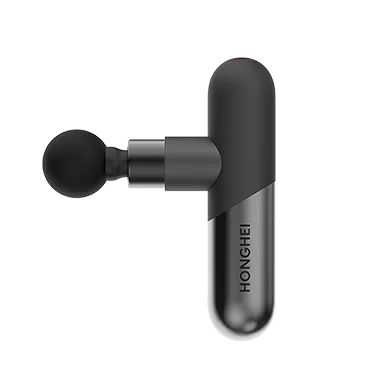
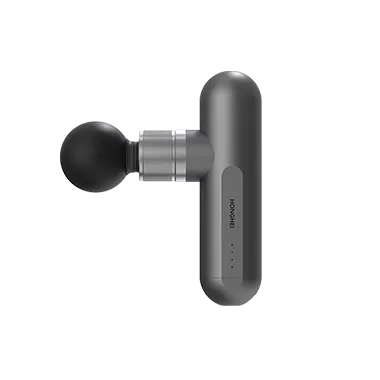
When muscle recovery is the main objective, a massage gun may be a more appropriate product category because it is specifically designed to deliver external percussion to muscular areas. Depending on the model, manufacturers may also integrate hot or cold attachments to expand the recovery experience.
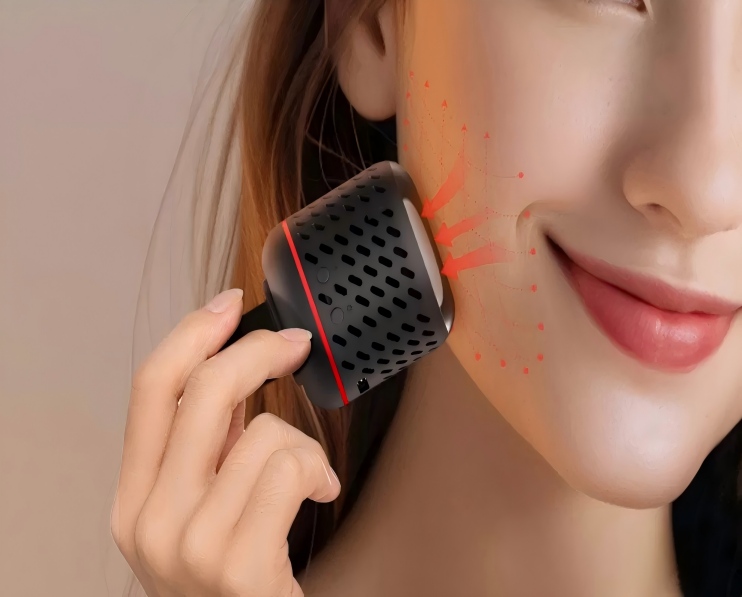
Cold therapy is often associated with post-workout recovery, but it should not be treated as a compulsory step after every training session.
For ordinary training fatigue, sleep, nutrition, hydration, appropriate training load, and gradual recovery remain the foundation. Cold may provide temporary comfort when an area feels particularly sore, but routine aggressive cooling is not required after normal exercise.
The context matters. Someone preparing for another competition within a short period may have different recovery priorities from a recreational strength-training user whose main goal is long-term adaptation.
This is why recovery equipment should allow users to choose the function that matches the situation rather than forcing a single mode for every session.
This is where product classification requires particular care. A product described as a Prostatic Massager should be used according to its intended design, instructions, materials, temperature range, and approved application rather than being treated automatically as a conventional sports recovery device.
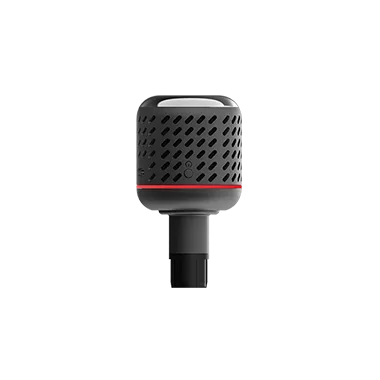
HoHiTEC currently lists the HH8812A within this product category while describing it as a universal-compatible hot-and-cold massager attachment with independent power. The product provides a temperature range of approximately 3°C to 42°C and is designed around reusable hot and cold functionality.
This illustrates an important point for both users and distributors: the name of a website category does not by itself determine how every feature should be used. The actual product structure and operating instructions are more important.
For external massage applications, a hot-and-cold accessory may help users switch between warming and cooling sensations according to their recovery goal. This should not be interpreted as permission to apply extreme heat or cold to sensitive internal areas.
The most practical way to choose is to start with the desired outcome.
If the user feels generally stiff before exercise, moderate warmth combined with gentle external massage may provide a comfortable preparation routine. If a muscular area feels temporarily sore after activity, cooling may be preferred for short-term comfort.
Temperature should always remain within the operating range specified by the manufacturer. More extreme temperatures do not automatically improve results and can increase the risk of skin irritation or thermal injury.
The duration also matters. A controlled, shorter session is generally more sensible than keeping a temperature-controlled device on the same location simply because it remains comfortable initially.
Hot-and-cold massage and cupping create different physical experiences.
Temperature therapy primarily changes the thermal sensation at the application area. Percussion adds repeated mechanical stimulation. Cupping, meanwhile, creates negative pressure between the cup and skin.
An electric cupping massager may combine suction with heating and vibration, allowing users to experience several relaxation functions within one product. HoHiTEC's electric cupping range, for example, includes adjustable suction and models combining negative pressure, heat, and vibration.
| Device Type | Main Physical Action | Typical External Use |
|---|---|---|
| Hot/Cold Massage Device | Temperature control | Warm or cooling sensation |
| Percussion Massager | Repeated mechanical percussion | Targeted muscle relaxation |
| Electric Cupping Device | Negative pressure, sometimes with heat and vibration | Localized relaxation |
These functions can complement one another, but they should not be treated as identical forms of recovery.
There is no universal winner because muscle soreness can mean different things.
If a muscle simply feels stiff after routine activity, warmth may provide a more relaxing experience. When short-term reduction in soreness is the priority, cooling may feel more suitable.
More importantly, neither heat nor cold should be used to hide significant pain so that someone can continue training. Pain following trauma, major swelling, reduced movement, numbness, weakness, or worsening symptoms requires a different approach from normal post-exercise fatigue.
For product designers and retailers, this is also a useful positioning principle. Temperature features should be marketed around user control and appropriate application rather than broad promises that one device can solve every recovery problem.
A wide temperature range can be useful, but range alone does not determine product quality. Users need predictable temperature control, comfortable contact surfaces, straightforward controls, and clear guidance about application time.
Independent power is another practical consideration for temperature-controlled attachments because it can reduce dependence on the main massager's battery and operating system.
Compatibility also matters. For manufacturers and distributors, a reusable attachment that works with several product platforms may provide greater merchandising flexibility than an accessory designed for only one model.
From a B2B perspective, thermal stability, charging performance, material selection, cleaning requirements, packaging, and product instructions should all be evaluated before focusing on promotional features.
Some users alternate warm and cool sensations, but doing so is not mandatory for effective recovery. The better question is whether switching temperatures supports the user's immediate goal.
For example, warming may be selected before activity when stiffness is the primary concern, while cooling could be chosen later if temporary soreness becomes more noticeable. There is no need to switch repeatedly simply because a device offers both functions.
Users should also allow time to evaluate skin response and should stop if the area becomes excessively numb, painful, unusually red, or uncomfortable.
Temperature-controlled massage products should not be used aggressively over damaged skin, areas with reduced sensation, significant swelling, or unexplained acute pain.
Extra caution is appropriate for anyone who has difficulty accurately sensing heat or cold because the user may not recognize excessive temperatures soon enough.
With devices designed for sensitive or specialized wellness applications, product-specific instructions become even more important. If there is pain, bleeding, suspected infection, persistent urinary symptoms, or another medical concern, self-directed massage should not substitute for professional assessment.
Heat is commonly used before exercise when stiffness is the main concern. It can complement an active warm-up but should not replace gradual movement and exercise-specific preparation.
No. Cold can provide temporary comfort for soreness, but it is not a required recovery step after every training session.
Yes, if the device is specifically designed to combine these functions. Use moderate settings and follow the manufacturer's instructions rather than maximizing both intensity and temperature.
You can, but there is no universal requirement to do so. Select the temperature according to your comfort and the purpose of the session.
Not necessarily. Product categories, designs, and intended applications vary considerably. Always follow the specific device description and operating instructions instead of assuming that products with vibration or temperature functions can be used in the same way.
Heat and cold therapy can both play useful roles around exercise, but the timing should depend on the user's objective. Moderate warmth is often more appropriate before activity when stiffness is present, while cooling may provide temporary comfort after exercise when soreness is the main concern.
The more important rule is to match the device to its intended application. Percussion, suction, temperature control, and specialized wellness products each require different usage considerations. Choosing the correct function, using moderate settings, and following product-specific guidance creates a safer and more credible approach than treating every massage device as an interchangeable recovery tool.
PREV