HH902

A massage gun and a percussion massager are often considered the same type of recovery device because both use rapid percussive movements to stimulate muscles. The main difference is that a massage gun is a specific handheld design optimized for targeted muscle treatment, while a percussion massager is a broader category that includes different devices using percussion therapy technology.
For fitness professionals, athletes, rehabilitation centers, and consumers, choosing the right device depends on factors such as treatment area, intensity requirements, portability, and application purpose. As an experienced massage gun manufacturer, HoHiTEC understands that product design, motor performance, ergonomic structure, and customization options directly influence user experience and commercial value.
The key difference lies in design, application, and user experience.
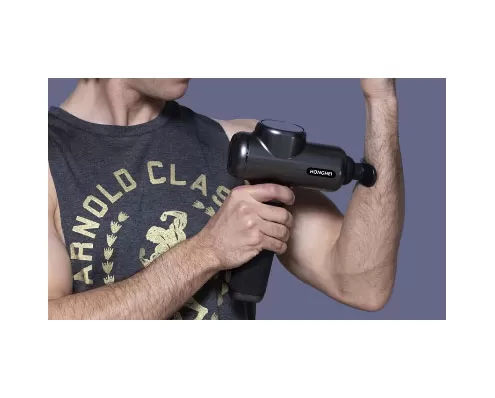
A massage gun typically features a pistol-shaped handle that allows users to apply precise pressure to specific muscle groups. It is widely used for post-workout recovery, muscle relaxation, and daily wellness routines.
A percussion massager refers to a wider range of devices that deliver repetitive tapping or striking motions. Some percussion massagers may have larger structures, different grip designs, or specialized functions for professional therapy environments.
| Feature | Massage Gun | Percussion Massager |
|---|---|---|
| Design | Handheld gun-style structure | Broader range of designs |
| Main use | Targeted muscle recovery | General percussion therapy |
| Portability | Compact and travel-friendly | Depends on model |
| Application | Athletes, fitness users, home recovery | Wellness centers, therapy, personal use |
| Control | Usually adjustable speed and intensity | Varies by product type |
For most modern fitness and recovery applications, massage guns have become popular because they provide convenient, precise, and user-friendly muscle treatment.
A massage gun uses high-frequency percussion technology to deliver repeated strokes into soft tissue. This mechanical stimulation helps relax tense muscles, improve circulation around treated areas, and support recovery after physical activity.
Professional models usually include:
Multiple speed settings for different muscle groups
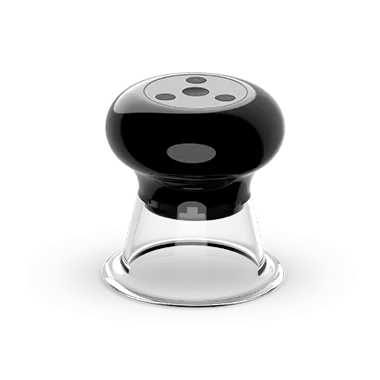
Various massage heads for targeted treatment
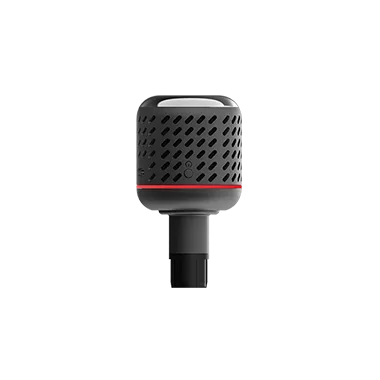
Powerful motors for consistent performance
Rechargeable battery systems for convenience
Ergonomic designs for comfortable handling
For fitness centers and personal users, these features allow customized recovery sessions based on workout intensity and individual preferences.
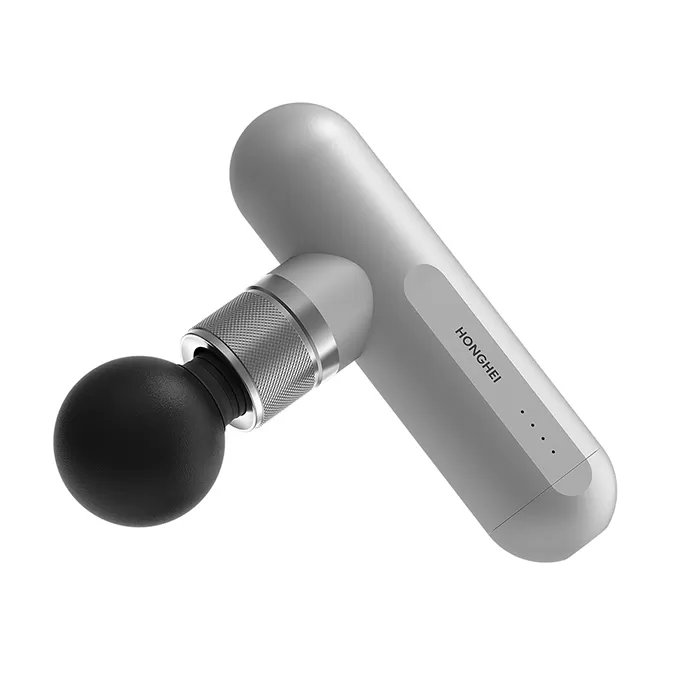
A massage gun for back pain can be a useful tool for relieving muscle tension and discomfort caused by physical activity, poor posture, or daily stress. Many users choose massage guns because they can easily target areas such as the lower back muscles, shoulders, and surrounding soft tissues.
However, proper usage is important. Users should avoid applying direct pressure to the spine, bones, or injured areas. Instead, massage guns should be used on surrounding muscles with suitable speed and pressure settings.
Common applications include:
Relaxing tight back muscles after exercise
Reducing muscle stiffness from prolonged sitting
Supporting recovery after strength training
Improving overall muscle relaxation
For professional fitness and wellness markets, a well-designed massage gun provides a practical recovery solution that complements training programs.
The increasing popularity of massage guns is closely connected with the growth of fitness, sports recovery, and wellness industries.
Athletes and active users value massage guns because they offer:
Unlike traditional massage services, handheld massage devices allow users to perform recovery sessions at home, in gyms, or while traveling.
Different attachment heads help users focus on specific areas, including:
Legs after endurance training
Shoulders after upper-body workouts
Back muscles after long periods of sitting
Arms after strength exercises
Recovery has become an important part of modern fitness routines. Many users now consider recovery equipment as essential as exercise equipment itself.
Selecting a high-quality massage gun requires evaluating performance, durability, and user needs.
A reliable motor ensures stable operation and consistent massage intensity. Commercial users should prioritize models designed for frequent use.
Different muscle groups require different treatment intensities. Multiple speed options provide greater flexibility for beginners and professional athletes.
Long battery life improves convenience, especially for fitness centers, trainers, and users who need portable recovery equipment.
A comfortable grip reduces hand fatigue during longer sessions. Balanced weight distribution is especially important for users treating hard-to-reach areas.
For distributors and fitness brands, choosing an experienced supplier is essential. A professional massage gun manufacturer should provide consistent quality control, product customization, packaging solutions, and technical support.
A massage gun is designed as a convenient recovery tool rather than a complete replacement for professional massage therapy.
Professional massage therapy involves expert assessment and specialized techniques, while massage guns provide users with accessible daily muscle care.
They are commonly used together:
Athletes use massage guns between professional treatments
Fitness users use them for regular recovery routines
Trainers recommend them as part of wellness programs
The effectiveness depends on correct usage, suitable intensity, and selecting the right product for specific needs.
The right choice depends on your application.
A massage gun is usually the better option for:
Home fitness users
Athletes
Gym members
Personal recovery routines
Portable muscle treatment
A percussion massager may be more suitable for:
Professional therapy environments
Specialized treatment applications
Users requiring different device formats
For most modern consumers and fitness businesses, massage guns provide a practical combination of performance, portability, and convenience.
Massage guns and percussion massagers are closely related recovery devices, but they differ in design, usability, and application focus. Massage guns provide targeted, portable, and adjustable muscle treatment, making them increasingly popular among athletes, fitness users, and wellness professionals.
For businesses entering the growing recovery equipment market, selecting a reliable massage gun manufacturer is essential for product quality, customization, and long-term success. With professional manufacturing capabilities and industry experience, HoHiTEC delivers massage gun solutions designed to meet the needs of global fitness and wellness markets.
Most users can use a massage gun several times per week depending on training intensity and recovery needs. Sessions should be adjusted based on comfort and muscle condition.
Massage guns should not be used directly on bones, joints, the spine, or areas with acute injuries. They are intended for soft muscle tissue.
Professional massage guns usually offer stronger motors, better durability, more adjustment options, and improved ergonomics, making them suitable for intensive or commercial use.