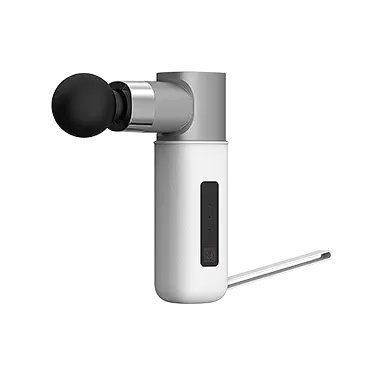
HH8503

Mobility and independence are important parts of everyday life for people with visual impairments. For many blind individuals, a traditional white cane provides essential support by helping detect obstacles and navigate surroundings. However, with the development of smart technology, walking aids are becoming more advanced. Modern solutions such as a GPS walking cane for the blind combine traditional mobility support with intelligent features, helping users experience safer and more confident movement.
A smart cane is no longer only a simple tool for balance and obstacle detection. With functions such as GPS positioning, sensors, emergency alerts, and electronic assistance, a new generation of mobility devices provides additional support for blind users and elderly people. HoHiTEC develops innovative smart mobility products designed to improve safety, convenience, and independence for different groups of users.
A GPS walking cane for the blind is an intelligent mobility device that integrates location technology into a traditional walking aid. Unlike a regular cane, it can provide additional assistance through electronic systems that help users better understand their environment and stay connected.
For blind users, navigation challenges often come from unfamiliar locations, crowded areas, or unexpected obstacles. A GPS walking stick for the blind can provide extra confidence by supporting location awareness and helping caregivers or family members better understand the user’s situation.
The combination of a traditional cane design and modern technology creates a smarter solution for independent living. It allows blind individuals to maintain mobility while benefiting from additional safety features.
A smart walking stick for blind person users is designed to address common mobility challenges. Blind individuals rely heavily on touch and sound when moving through different environments. Smart technology can add another layer of assistance by detecting information that may not be easily noticed.
A modern smart cane can support users in several ways:
Improving confidence while walking outdoors
Providing additional location support
Helping identify potential hazards
Offering emergency communication options
Supporting independent daily activities
These functions make a smart walking stick more than a mobility tool. It becomes a personal assistant that helps users navigate the world more comfortably.
.webp "Safety-Smart-Cane (1).webp")
One of the most important features of a GPS blind cane is positioning technology. GPS allows the device to provide location-related functions, which can be especially valuable for blind users who travel independently.
A GPS walking stick for the blind can help improve safety during outdoor activities. Whether a user is walking in a neighborhood, visiting public places, or traveling to unfamiliar areas, GPS technology provides an additional level of security.
For families and caregivers, GPS functions can also offer reassurance. Knowing that a loved one has access to location support can reduce concerns about independent travel.
A sensor walking stick for blind users introduces another important advancement in mobility assistance. Sensors allow the cane to collect information from the surrounding environment and provide additional support.
Traditional canes mainly rely on physical contact to detect obstacles. Smart sensor technology can enhance this experience by helping users recognize potential risks earlier.
A sensor-based cane may assist with:
Detecting nearby obstacles
Improving awareness of surroundings
Supporting safer movement
Reducing navigation difficulties
The goal of smart sensor technology is not to replace traditional skills but to provide extra assistance that improves confidence and convenience.
An electronic walking stick for blind users combines hardware, software, and intelligent functions into one mobility solution. These devices are designed for people who want more support than a conventional cane can provide.
Electronic features may include:
GPS positioning
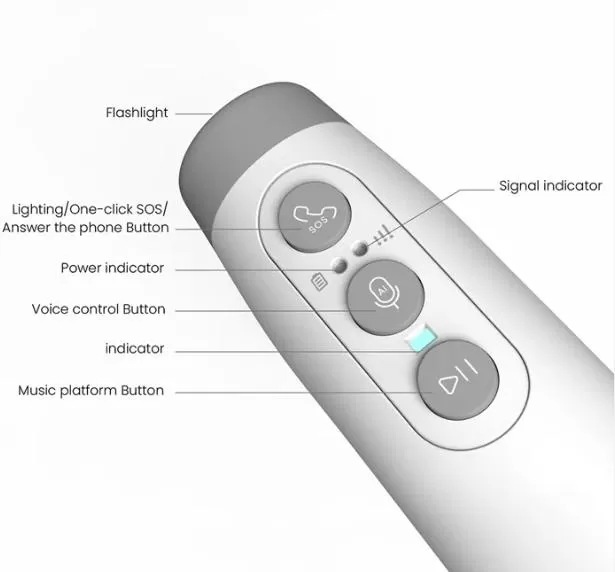
Emergency alert functions
Sensor-based assistance
Lighting support
Smart control systems
With these functions, an electronic cane for the blind represents a new direction in assistive technology. It connects mobility tools with digital innovation, creating a more supportive experience for visually impaired users.
As a company focused on smart lifestyle solutions, HoHiTEC develops products that combine practical design with advanced technology. Its smart walking cane series demonstrates how traditional mobility products can be upgraded to meet modern user needs.
Although smart canes are often associated with elderly care, they are also valuable for blind users who need additional mobility support. A smart walking stick can help visually impaired individuals improve independence while providing useful safety features.
HoHiTEC smart walking cane solutions focus on creating convenient and reliable experiences through intelligent functions. By integrating technology into everyday mobility tools, HoHiTEC helps transform the traditional walking cane into a more advanced personal safety device.
Traditional white canes remain an important mobility tool for blind individuals, but smart walking sticks provide additional functions through technology.
| Comparison Aspect | Smart Walking Stick for Blind | Traditional White Cane |
|---|---|---|
| Navigation Support | Combines traditional cane use with intelligent technology such as sensors and GPS functions | Mainly relies on physical contact and user skills |
| Location Assistance | GPS features can provide additional location awareness | Does not include location tracking |
| Obstacle Awareness | May include sensor technology for extra environmental information | Detects obstacles mainly through physical touch |
| Emergency Support | Can include smart alert or communication functions | Usually does not provide electronic emergency features |
| Technology Integration | Uses electronic systems to improve mobility support | Simple and lightweight design |
| User Experience | Provides additional confidence through smart assistance | Effective basic mobility support |
Both options serve important purposes, but smart walking sticks provide additional possibilities for users who want technology-based support.
A GPS blind cane can offer several practical advantages:
Many blind individuals want to maintain an active lifestyle and complete daily tasks independently. Smart mobility devices can provide extra support without limiting personal freedom.
Unexpected situations can happen during outdoor travel. GPS functions, sensors, and electronic features can help users feel more prepared.
Smart technology can help connect users with caregivers or family members when assistance is needed.
As technology develops, assistive products are becoming more user-friendly and accessible. Smart canes represent an important step toward creating inclusive mobility solutions.
When selecting a smart cane, users should consider several factors:
Ease of operation
Comfort and weight
Battery performance
Reliability of smart functions
Suitability for daily environments
A good smart cane should balance advanced technology with simple operation. For blind users, convenience and reliability are just as important as the number of features available.
The future of assistive mobility will continue to develop through improvements in sensors, GPS systems, artificial intelligence, and connected devices. Smart walking sticks may become even more personalized, offering better navigation assistance and stronger communication functions.
A smart walking stick for blind users represents more than a technological upgrade. It represents a movement toward greater independence, confidence, and accessibility.
With solutions from companies like HoHiTEC, smart mobility technology is helping create products that support both elderly users and people with visual impairments. By combining traditional walking assistance with intelligent features, modern canes are becoming powerful tools for safer and more independent living.
A GPS walking cane for the blind provides a new approach to mobility by combining the reliability of a traditional cane with advanced electronic technology. Features such as GPS positioning, sensors, and smart functions can help blind individuals and elderly users enjoy greater safety and independence.
The development of the electronic walking stick for blind, and smart mobility solutions from HoHiTEC shows how innovation can improve everyday life. Smart canes are not just walking aids—they are intelligent companions designed to support confidence, freedom, and a more connected future.