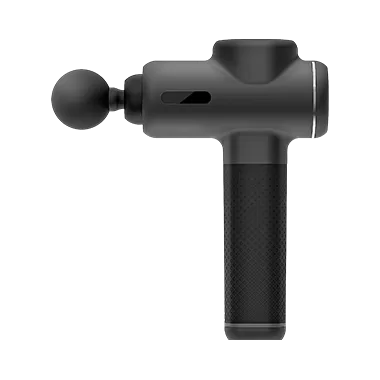
HH8821

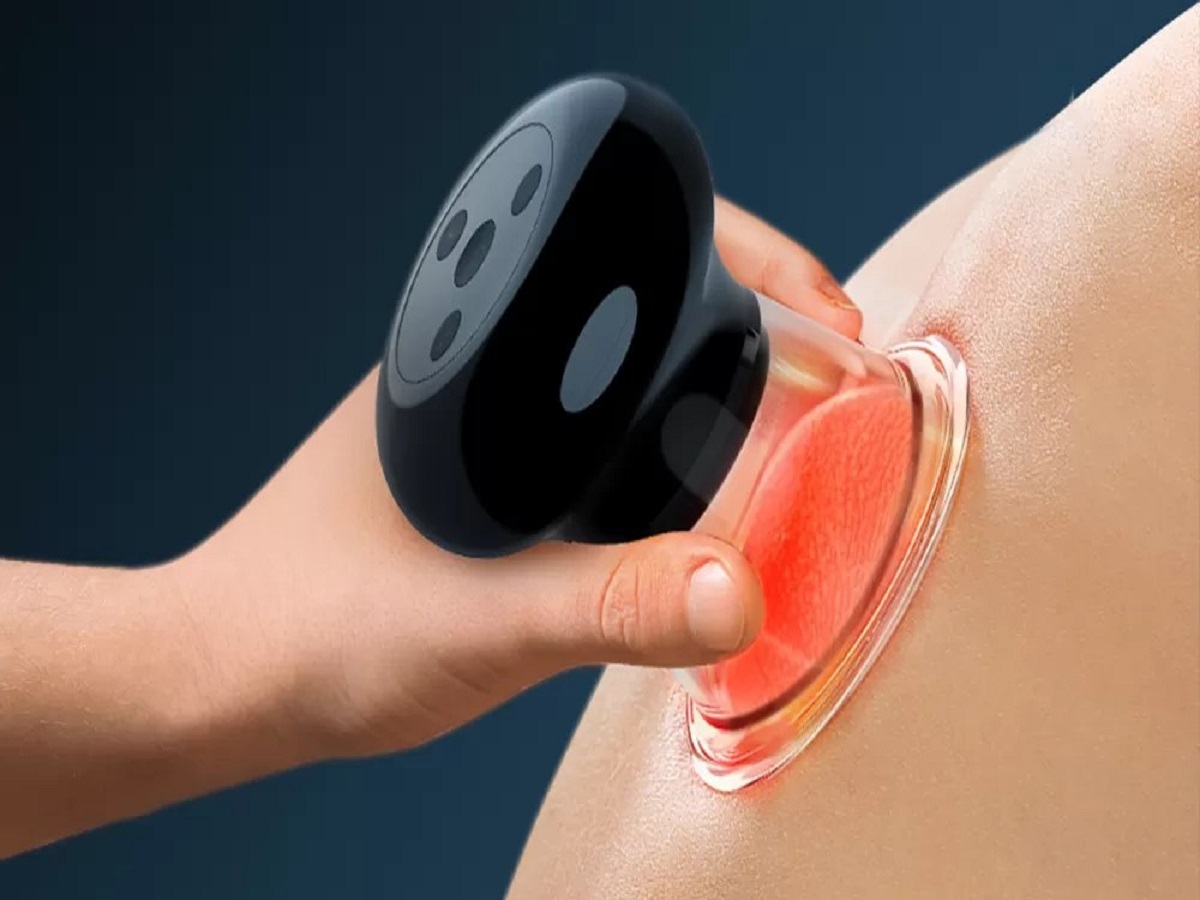
Professional wellness settings require electric cupping equipment to deliver repeatable operation rather than simply a strong suction sensation. Clinics, recovery centers, wellness studios, and other professional environments need equipment that operators can control consistently, clean efficiently, and use repeatedly without unnecessary downtime. Buyers should therefore assess suction stability, control range, cup compatibility, heating and vibration functions, ergonomics, hygiene, battery or power management, and long-term serviceability.
Negative pressure is the central operating principle of electric cupping equipment, but maximum suction alone does not define product quality. Professional users need predictable control so that the intensity can be adjusted according to the application and user tolerance.
An unstable vacuum system can make treatment difficult to standardize. Fluctuations may affect user comfort and make it harder for operators to reproduce a preferred operating condition.
For this reason, buyers should examine the stability of the pump, adjustment mechanism, sealing structure, and control system rather than focusing on a single maximum-pressure value.
Professional equipment should allow operators to make gradual adjustments instead of relying on a limited number of abrupt intensity settings.
The control interface should also be easy to operate while the practitioner is positioning or adjusting the device. Buttons, dials, displays, and control feedback should provide clear information without forcing the operator to interrupt the workflow.
Where training consistency matters, intuitive controls can also reduce differences between operators.
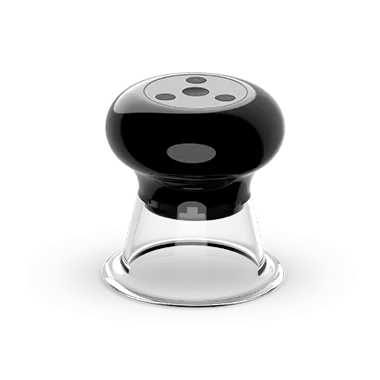
Yes. Cup geometry influences contact area, sealing behavior, pressure distribution, and how the device interacts with different body contours.
A professional buyer should therefore examine cup dimensions, shape, material, edge design, and compatibility with the main device. A larger cup may be useful for broader areas, while a smaller design may provide greater control in more localized applications.
The objective is to build a practical selection of cup configurations rather than relying on one universal size.
Some modern electric cupping devices combine negative pressure with heating or vibration. These functions can change the user experience and may provide additional treatment options in wellness and recovery environments.
Heating should be evaluated for temperature control, response time, thermal consistency, and safety limits. Vibration should be considered according to intensity, frequency characteristics, and how it interacts with suction.
Importantly, additional functions should remain independently controllable. A device becomes more versatile when practitioners can select the functions that fit a particular session rather than being forced into a fixed operating sequence.
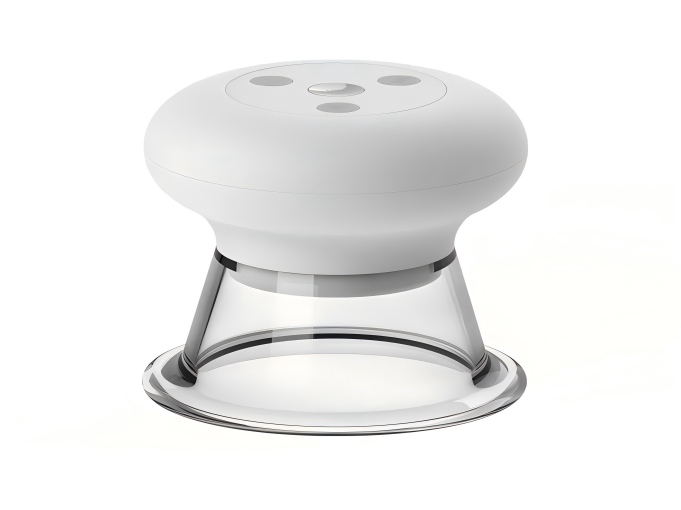
Professional practitioners may handle the equipment repeatedly during a working day, making ergonomics an operational issue rather than merely a comfort feature.
Handle shape, device weight, button placement, grip surface, and balance can all influence operator fatigue. A compact body can also make it easier to position the device accurately.
Buyers should test the equipment with actual operating movements whenever possible. A specification sheet cannot fully communicate how easily the device can be positioned, adjusted, and removed during repeated sessions.
Hygiene is particularly important when equipment is used across multiple sessions or by different clients. Components that contact the skin should be easy to clean, inspect, and replace when necessary.
Before purchasing, buyers should identify which components require cleaning after each use and whether the manufacturer provides clear cleaning and maintenance recommendations.
The physical design should avoid unnecessary areas where residue or moisture can accumulate. Easy access to contact surfaces can reduce the time required for routine cleaning.
Portable electric cupping equipment can provide greater flexibility, but battery performance becomes part of operational planning.
Buyers should consider expected sessions per charge, charging time, battery replacement, charging accessories, and whether the device can operate while connected to a power source when necessary.
For busy facilities, battery management should be included in the equipment workflow. A technically capable device provides limited value if it frequently needs to be removed from service for charging.
Professional equipment experiences more frequent operation than many home-use devices. The pump, control buttons, seals, charging interface, cup connections, and housing may all experience repeated mechanical stress.
Buyers should therefore ask suppliers about expected service life, common wear components, replacement procedures, warranty coverage, and spare-parts availability.
A supplier that can provide technical support and replacement components can help reduce the operational risks associated with equipment downtime.
| Feature | What Buyers Should Evaluate |
|---|---|
| Vacuum system | Stability, adjustment range, response time |
| Cup system | Sizes, geometry, materials, replacement |
| Heating | Temperature control and consistency |
| Vibration | Intensity and independent control |
| Controls | Ease of adjustment and feedback |
| Housing | Ergonomics, durability, cleanability |
| Power system | Runtime, charging, battery service |
An electric vacuum cupping massager is particularly relevant when buyers want automated negative-pressure control in a portable format. For professional applications, however, the product should be evaluated as a complete operating system rather than simply as a powered replacement for traditional cups.
The pump, control interface, heating or vibration functions, cup design, housing, and power system need to work together. This integrated approach is especially important when the equipment is expected to support repeated sessions throughout the working day.
Even when an electric cupping device is designed for simple operation, professional users need clear operating information. Training materials should explain controls, cup selection, cleaning procedures, charging, maintenance, and appropriate operating sequences.
Buyers can also consult resources covering how to use cupping machine technology when developing internal training materials, provided that the final operating procedures follow the manufacturer's instructions.
Professional procurement should consider the relationship between functionality, durability, operating efficiency, and service support. A device with numerous functions is not automatically a better investment if those functions complicate operation or increase maintenance requirements.
Conversely, a well-engineered device with stable suction, intuitive controls, suitable cup configurations, reliable heating or vibration functions, and practical ergonomics can provide greater value over its service life.
For wellness professionals, understanding what does cupping do to the body can also help place device selection in the wider context of client education and service communication.
Verify suction stability rather than only maximum suction.
Check the usable intensity-control range.
Evaluate cup geometry and replacement availability.
Test heating and vibration functions independently.
Assess operator grip, balance, and device weight.
Review cleaning and hygiene procedures.
Calculate practical battery runtime and charging requirements.
Confirm warranty, spare-parts, and after-sales support.
The right electric cupping massager for a professional wellness environment is ultimately the one that provides consistent control, efficient operation, manageable maintenance, and a practical user experience. Procurement decisions based on the entire equipment lifecycle are more likely to deliver reliable performance than decisions based solely on suction strength, feature count, or purchase price.