HH8015

For commercial fitness facilities, choosing an indoor cycle is less about finding a bike with the highest number of features and more about building a reliable equipment fleet. A suitable model needs to withstand repeated use, support different rider profiles, maintain consistent performance, fit the available floor plan, and remain manageable from a maintenance and replacement-cost perspective. Buyers should therefore evaluate the equipment as part of the facility's long-term operating system rather than as an individual fitness product.
The first consideration is expected utilization. A cycle installed in a private training room may experience only a few sessions per day, while equipment in a commercial gym, hotel fitness center, rehabilitation facility, or studio can be used continuously throughout operating hours.
Higher utilization increases the importance of frame construction, resistance-system stability, adjustment mechanisms, pedal durability, bearings, and connection points. Buyers should ask suppliers how the machine is designed for repeated adjustment and cycling rather than focusing solely on appearance or the number of display functions.
It is also useful to estimate equipment utilization before purchasing. If a facility expects several classes or individual sessions per day, components that are frequently touched or adjusted should be designed for repeated operation. A robust frame is valuable, but long-term reliability also depends on the quality of smaller mechanical components.
Resistance control is one of the most important functional elements. Users need predictable changes in resistance so that instructors can establish consistent training intensity and individual riders can make repeatable adjustments.
The adjustment system should also accommodate users with different body dimensions. Saddle height, saddle position, and handlebar positioning influence riding posture and overall comfort. In a commercial environment, quick and intuitive adjustment is especially important because equipment may be used by many different people in a single day.
Pedal construction is another point that should not be overlooked. Pedals and crank components experience repeated loading, particularly during high-intensity sessions. Buyers should evaluate the durability of these components rather than treating them as secondary accessories.
Yes. Floor space directly affects the economic value of commercial fitness equipment. A facility may have enough space for a certain number of cycles on paper, but practical spacing must also account for rider movement, cleaning, maintenance access, and surrounding equipment.
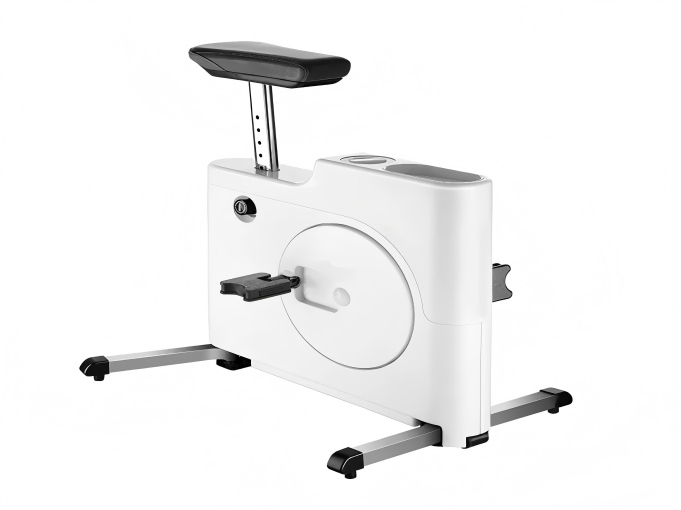
Compact equipment can help facilities increase usable capacity without creating an overcrowded training environment. For locations with limited storage or multipurpose rooms, a foldable indoor cycle can also provide greater flexibility when equipment needs to be moved or stored.
However, compactness should not be evaluated independently. Buyers should compare the folded dimensions, operating footprint, frame stability, adjustment range, and intended usage conditions. A smaller footprint is useful only when the equipment remains practical and stable during actual operation.
Commercial buyers often underestimate the operational benefits of standardizing equipment. Purchasing several models from different suppliers can create unnecessary complexity in maintenance, staff training, spare-parts management, and user instruction.
Using a consistent equipment platform allows staff to become familiar with the same adjustment procedures and operating logic. It can also simplify procurement because replacement parts and accessories may be easier to manage when the fleet has fewer product variations.
For larger facilities, buyers should consider whether the supplier can provide the same model or product family over an extended procurement cycle. This becomes particularly important when facilities expand gradually rather than purchasing all equipment at once.
Commercial fitness equipment should be evaluated according to its total cost of ownership rather than its purchase price alone. Maintenance frequency, spare-parts availability, service response, component replacement, and equipment downtime can all affect the real cost of ownership.
Before placing a bulk order, buyers should ask which components are considered wear parts, how frequently routine inspections are recommended, and how replacement parts are supplied. A supplier with a clear after-sales process can reduce operational uncertainty when equipment eventually requires servicing.
It is also useful to examine whether the design allows straightforward access to serviceable components. Equipment that requires excessive disassembly for basic maintenance can increase labor costs and extend downtime.
Digital tracking can improve the usefulness of an indoor cycle when it provides practical information such as workout duration, resistance level, speed, or other performance indicators. However, buyers should distinguish between useful data and unnecessary interface complexity.
The display should be readable during exercise, controls should be intuitive, and the information presented should support the facility's actual training environment. A commercial gym may prioritize basic performance feedback and durability, while a boutique cycling studio may have different requirements for connectivity and class integration.
| Facility Type | Primary Selection Priority | Important Considerations |
|---|---|---|
| Commercial Gym | Durability and versatility | High utilization, adjustment range, maintenance |
| Fitness Studio | Consistent riding performance | Resistance control, ergonomics, fleet standardization |
| Hotel Fitness Center | Ease of use and reliability | Simple controls, compact footprint, low maintenance |
| Rehabilitation Facility | Controlled operation | Adjustment flexibility, stability, predictable resistance |
It should be. Commercial buyers should consider how the equipment will perform after thousands of adjustment cycles and repeated workouts rather than judging it only when new.
A practical procurement decision combines mechanical reliability, rider adaptability, floor-space efficiency, maintenance requirements, supplier support, and expected utilization. High-volume facilities may benefit from negotiating bulk purchasing, spare parts, customization, and after-sales support as part of the overall procurement package.
For facilities comparing equipment categories, an indoor bike should ultimately be assessed according to its role within the complete fitness environment. The right specification is the one that delivers consistent operation without creating excessive maintenance or space-management problems.
Commercial equipment still needs to deliver a meaningful training experience. Buyers should consider whether the cycle supports different workout intensities and rider profiles rather than optimizing for a single type of user.
For facilities that want to communicate the broader training value of cycling to members, resources discussing indoor bike exercise benefits can also support staff education and customer communication.
The best commercial indoor cycle is not necessarily the most sophisticated model. It is the model that balances durability, adjustment flexibility, resistance consistency, space efficiency, maintenance accessibility, user comfort, and supplier support.
Before finalizing an order, buyers should evaluate the expected daily workload, available floor space, user population, maintenance capabilities, replacement-parts strategy, and future purchasing plans. Taking these factors into account turns indoor cycle procurement from a simple product comparison into a more reliable long-term equipment decision.